Your ADHD Resource Guide
Living with ADHD often results in feelings of being misunderstood and frustrated. To gain a deeper understanding of ADHD, including its development, common symptoms, helpful strategies, and the process of diagnosis and effective treatment planning, utilize these resources. By comprehending the root causes of your challenges, you can begin to take meaningful steps towards living a more fulfilling life.

Homework can be challenging for kids with ADHD.
Discover 7 practical ADHD homework strategies to reduce stress, improve focus and support executive functioning.
"I Wish I'd Known Sooner": Why ADHD Often Goes Undiagnosed into Adulthood
While ADHD is often associated with childhood, many people don't receive a diagnosis until their 30s, 40s, 50s, or even later.

Preparing for a Successful Return to School with ADHD
As summer begins to wind down, many families are starting to think about back-to-school shopping, new teachers, and busy schedules. For students with ADHD, a little preparation now can make a significant difference.

ADHD Doesn't Take a Summer Vacation
For many families, summer brings a welcome change of pace. While the break from school can be refreshing, ADHD doesn't disappear when summer begins.

Could It Be More Than a Tough School Year? Understanding ADHD in Adolescence
As another school year comes to a close, many teenagers are looking forward to summer break. For others, the end of the school year can bring feelings of frustration, disappointment, or self-doubt.
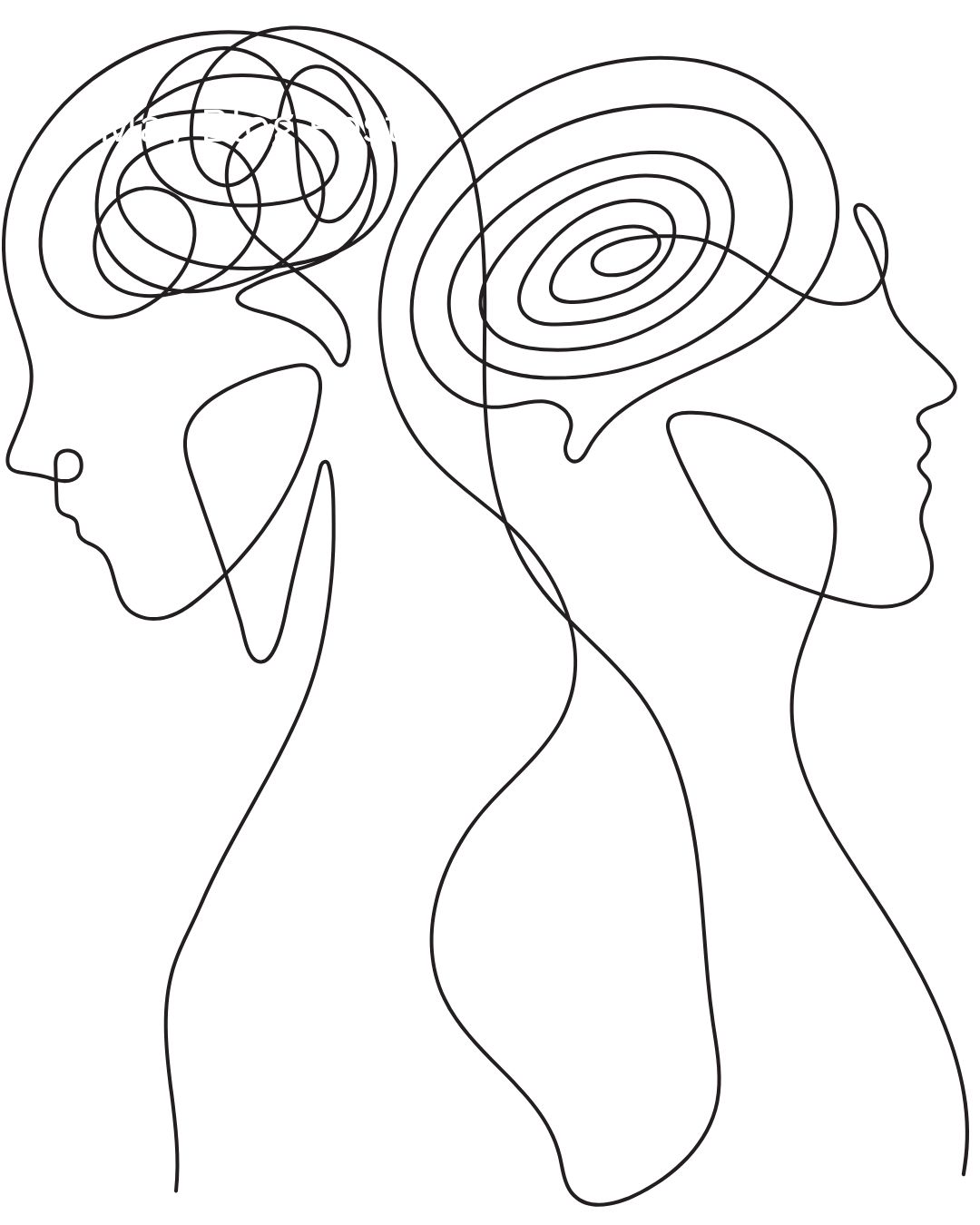
Mental Health Awareness Month: ADHD is a Mental Health Story. Learn Why That Matters.
At The Focus Clinic, we don't just talk about the connection between ADHD and mental health - we see it every single day.
When Your Teen Is Struggling & Signs It Might Be More Than "Just a Phase"
Adolescence has always been a complicated time. But sometimes, what looks like typical teenage behaviour can signal that a young person is genuinely struggling.

When 'Holding It All Together' Becomes Too Much: Women, Burnout, and ADHD
International Women's Day is often a moment to celebrate strength, resilience, and progress. But for many women, it's also a quiet reminder of how much they are carrying.
ADHD in Relationships: How to Have Conversations That Build Understanding
February is often framed as a month of romance, connection, and closeness. But real love isn't just about flowers or grand gestures. Sometimes, love looks like learning how to talk about the hard things. This is especially true when ADHD is part of your relationship.
Why Everything Feels Overwhelming When You Have ADHD (Hint: It's Not Lack of Motivation)
If you feel overwhelmed before your day even begins, you're not alone. Many adults with ADHD describe a constant sense of mental overload - too many thoughts, too many tasks, too many decisions competing for attention at once.

How to Start 2026 Strong When You Have ADHD: A December Reflection Guide
December is a natural time for reflection, but for people with ADHD, the pressure of the new year can feel overwhelming. There's the excitement of "fresh start energy," mixed with the familiar fear of setting goals you may not stick to.

Finding Focus in the Festivities: How to Manage ADHD During the Holiday Season
The holidays can be a time of excitement, celebration, and connection - but for individuals with ADHD, they can also bring added layers of distraction, overstimulation, and emotional fatigue.

Finding Focus: The Role of Clinical Support in ADHD Care
Support for ADHD isn't about "fixing" anything. Rather, it's about creating space for clarity, confidence, and growth. ADHD looks different for everyone. For some, strategies like coaching, therapy, and lifestyle adjustments provide all the support they need.

Screen Time, Dopamine, and ADHD: What the New Season Means for Your Brain
Ever wonder why screens can feel more tempting in the Fall? As September rolls in, the days get shorter, the weather turns cooler, and we naturally spend more time indoors. For many people, that means an increase in screen time - scrolling social media, gaming, binge-watching shows, or catching up on the latest online content.

Back to School, Back to Routine: Navigating the ADHD Transition Season
As the summer winds down, many families are shifting their focus to routines, early alarms, and packed lunches. While back-to-school season brings fresh starts and new goals, it can also be a challenging time – especially for households managing ADHD.

ADHD and Travel: Why Vacations Feel Overwhelming - And What Actually Helps
Why unstructured time away from home can feel more draining than restful - and how to change that. Vacations promise freedom, but for many people with ADHD, they can be anything but relaxing.
Finding the Bright Side: The Strengths of ADHD in Adults
When most people hear the term ADHD, they often think of challenges: distraction, impulsivity, disorganization. While it's true that ADHD presents very real difficulties, it's only part of the picture.
ADHD and Mental Health - The Overlooked Connection
When most people think of ADHD, they picture distraction or hyperactivity. But beneath the surface, ADHD has a deep and often overlooked connection to mental health - especially in adults.

Is it Burnout - or Adult ADHD?
If you're constantly reaching for that third or fourth cup of coffee just to keep up, you're not alone...

Women & ADHD: Understanding the Unique Challenges
For years, ADHD has been portrayed as a condition that primarily affects hyperactive young boys. But the reality?...

How ADHD Differs in Women
ADHD is often seen as a childhood disorder primarily affecting boys, but the reality is quite different. Women experience ADHD too, and their symptoms and challenges can be unique and more subtle. Let's dive into how ADHD manifests differently in women and why understanding these differences is crucial.
Common ADHD Symptoms
ADHD can present itself in numerous ways, making it challenging to recognize and diagnose. Understanding the common symptoms can help in identifying and managing the condition effectively. Let's discuss the key symptoms of ADHD and how they impact daily life.
Tips and Tricks to Handle Your ADHD as an Adult
Living with ADHD as an adult presents unique challenges, but there are many non-medical strategies that can help manage symptoms effectively. Here are some practical tips and tricks to make daily life a bit easier.
Navigating ADHD Support in Canada: Challenges and Alternatives
Navigating government support for ADHD in Canada can be challenging. However, there are alternative resources and strategies available to help you get the support you need. Let's explore the current state of government assistance and other options to consider.
Depression and ADHD
ADHD and depression often coexist, making life even more challenging for those affected. Understanding the relationship between these two conditions is crucial for providing effective support and improving mental health.

How to Talk to Your Spouse and Loved Ones About ADHD
Discussing ADHD with your spouse and loved ones can be tough, but it's essential for building understanding and support. Open communication fosters a positive environment, making it easier for everyone to navigate the challenges together. Here are some tips to help you have these important conversations.